


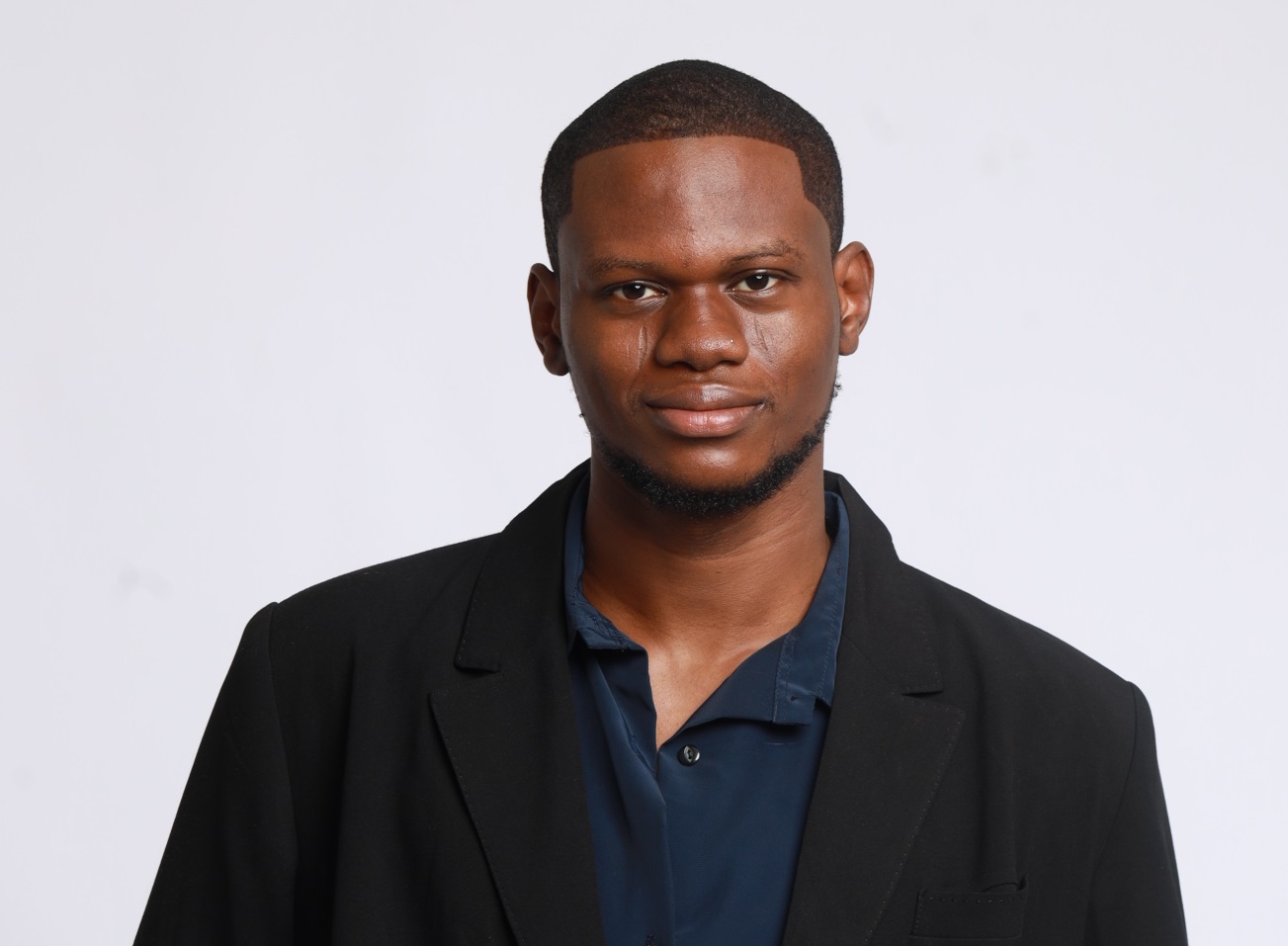
In this blog, Bolaji explores their experiences of co-production as a queer, non-binary person in Nigeria.
Please be aware that this blog may contain triggers for you, as it contains discussions of homophobia, assault and being outed. Please only read if you feel able to.
The beginning of my mental health journey
My mental health journey began as a result of trauma, homophobia, and personal struggles. I needed to find purpose beyond my existence and identity. As a young, queer, non-binary person living in Nigeria, where queerness remains criminalised, my reality began to shape at an early age, led by years of suppression and witnessing rhetoric and condemnation around my identity.
How I got involved in co-production through human rights organisations and the LEAD Community Foundation
A few years ago, when I began writing to document queer culture and history in Nigeria, it led to my interactions with non-governmental organisations that were at the centre of advocating for the rights of marginalised communities in Nigeria. Names like TIERS (The Initiative for Equal Rights) and ISHRAI (Improved Sexual Health & Rights Advocacy Initiative) were some of my earliest foundations in co-production.
While these organisations were mostly known for advocating for human rights, they also offered clinical therapy to minorities. In 2023, I further got involved in co-production by collaborating on community-centred projects that prioritised lived experiences in shaping mental health interventions. This included contributing to discussions, storytelling initiatives, and programme designs that ensured marginalised voices were not only heard but actively included in decision-making processes.
This shift came following a life-threatening experience. I was assaulted, and it led to me being outed. This period made me question my identity as a marginalised queer person. It forced me into a painful confrontation with my identity as a marginalised queer person in a society that often denies my humanity.
Seeking support led me to the LEAD Community Foundation, a mental health organisation focused on literacy, awareness, education, and support. In a country where mental health is still heavily stigmatised and often shaped by conservative and religious beliefs, organisations like LEAD Community Foundation are not just service providers; they are disruptors of harmful norms.
The care and reception I experienced there awakened something in me. Therapy gave me hope. It helped me rebuild, reframe my identity, and rediscover purpose. What began as a search for help evolved into active participation. I volunteered and later contributed as a mental health writer, while also learning more deeply about co-production as a practice.
What I learnt about power, participation, and the limits of co-production.
Through my work and interactions, I met individuals across different ethnicities, religions, and gender identities. I participated in community education initiatives, often in rural areas where mental health awareness remains limited or non-existent. - This involved facilitating conversations on mental health literacy, breaking down stigma, co-creating safe spaces for dialogue, and working with local stakeholders to adapt mental health messaging to cultural contexts.
These experiences revealed a critical truth. Co-production, as it is often practiced, does not always live up to its promise.
Many systems claim to include marginalised voices yet fail to meaningfully share power. Inclusion becomes performative. Lived experience is acknowledged but not truly valued as expertise. Marginalised individuals are present but not always heard.
For co-production to be genuinely inclusive, it must go beyond representation. It must involve shared governance, authorship, and decision-making power. It must create spaces where people with lived experience are not tokenised but trusted as co-creators of change.
True co-production requires a shift. It requires moving from consultation to collaboration, and from symbolic inclusion to structural transformation. A while back, I was part of a focus group discussion that brought together marginalised individuals with lived experience. The main aim of this discussion was to collaborate on designing support and care across safety, legal aid, and mental health. For me, this method was more than a co-creation circle; it was a first-hand experience of belonging to a practice that cared, was inclusive, and trusted.
Reclaiming voice through lived experience
As a non-binary queer African person, my identity exists within layers of historical erasure and ongoing marginalisation. Participating in co-production is not just about being included. It is about reclaiming voice, agency, and dignity.
Having spaces where my experiences are recognised as a whole, rather than fragmented or filtered, has been transformative. It affirms that I matter and that my insights carry weight.
Lived experience has taught me that I do not have to carry my burdens alone. When inclusive systems are built intentionally, especially for queer individuals and other marginalised groups, outcomes are not only more equitable but also more effective.
My perspective on how to achieve an authentic and ethical co-production
If co-production is to be meaningful, especially within Global South contexts like Nigeria, it must actively address the power imbalances embedded within systems that were never designed for inclusion.
It also requires ongoing reflection. There must be openness to unlearn, to listen, and to redistribute power in ways that centre dignity and justice.
Where I stand now
Today, I am more confident in myself than I was years ago, while struggling with my identity. My relationship with LEAD Foundation has been a significant part of that growth. Through it, I have learned, and continue to learn, what equality in co-production truly means.
For me, co-production is no longer just a concept or methodology. It is a lived, relational practice. It continues to shape how I exist, engage, and advocate in the world.
About Bolaji
Bolaji Akinwande is a writer and a mental health advocate based in Lagos, Nigeria. Their writing revolves around the intersection of identity and culture in the Global South.
Support available
If you have been affected by any of the topics discussed in this blog post, support is available.
- Switchboard: Switchboard is the UK LGBTQIA+ support line. For anyone, anywhere in the country, at any point in their journey.
- Samaritans: Samaritans provide a free, confidential listening service for anyone who needs someone to talk to.
Photo Credit: Rene Baker from Unsplash
Meeting notes
Other news you might be interested in
Our 2024 Community Survey and how we’re acting on its recommendations
In this blog we share the results of our 2024 Community Survey and what we have been doing since then to put your recommendations in place.
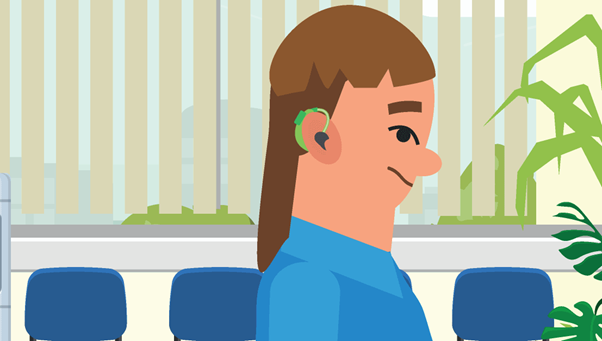
How we co-produced an animation about ear checks for children and young people who are autistic and/or have a learning disability
In this blog we talk about the Ear Checks Programme Co-Production Collective have been supporting since 2021 and how we went about co-producing an animation to support children to understand and take part in ear checks in a way that works for them.
.png)
The value older co-producers can bring to co-production and how to support them
In this blog Erica shares her reflections from getting involved in co-production in later life and what more can be done to make it accessible and inclusive for older people.
.png)
January team update: Celebrating what we have achieved together in 2025 and looking forward to 2026
The latest news from the team and our community plus updates about our ongoing projects and upcoming opportunities.

People, meaning, impact and cake: A few thoughts on co-production
In this blog, Amy Wizard Ponter shares her thoughts on the key ingredients of co-production. Drawing on a huge range of experience across the co-production space. She has seen the good, the very bad and certainly some of the ‘delicious’ when it comes to co-production cake!
.png)
When experience becomes evidence: Co-producing mental health research
In this blog Kelvin Opiepie shares his personal journey from silent struggles to shaping global mental health research through his role as a member of The Global Lived Experiential Advisory Board (GLEAB) for The GALENOS project.
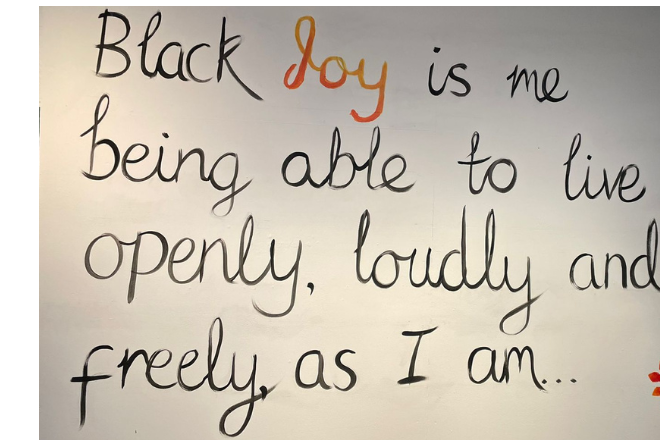
Celebrating Black History Month: Honoring the legacy and joy of Black communities
This Black History Month, Co-Production Collective wants to celebrate members of our community and some of the brilliant contributions and achievements they have made to our work.
.png)
From patient involvement to co-production: Reclaiming power in research and reproductive justice
In this blog Neelam Heera-Shergill founder of Cysters shares why she believes there is a need move beyond traditional patient public involvement and engagement into co-production in order to be inclusive, build meaningful relationships, share power and honour the realities of the communities she works with.
.png)
Race, power and alternative futures
In this blog co-producer Isaac, Hania & Nicc reflect on the recent far-right protest in London. A protest that was marked by anti-immigrant and Islamophobic rhetoric, and led by organisers known for anti-Muslim views. They highlight its impact on all racialised communities and call for solidarity, collective care, and action against rising hate and racism.

Sharing Power, Shaping Change: Lessons on Inclusive Co-Production in Sexual Health Research
In this blog co-producers Julion and Melvina reflect on creating culturally sensitive sexual health films with young people especially from Black Caribbean communities as part of the LUSTRUM2 research project and shares lessons for more equitable and community led research.