


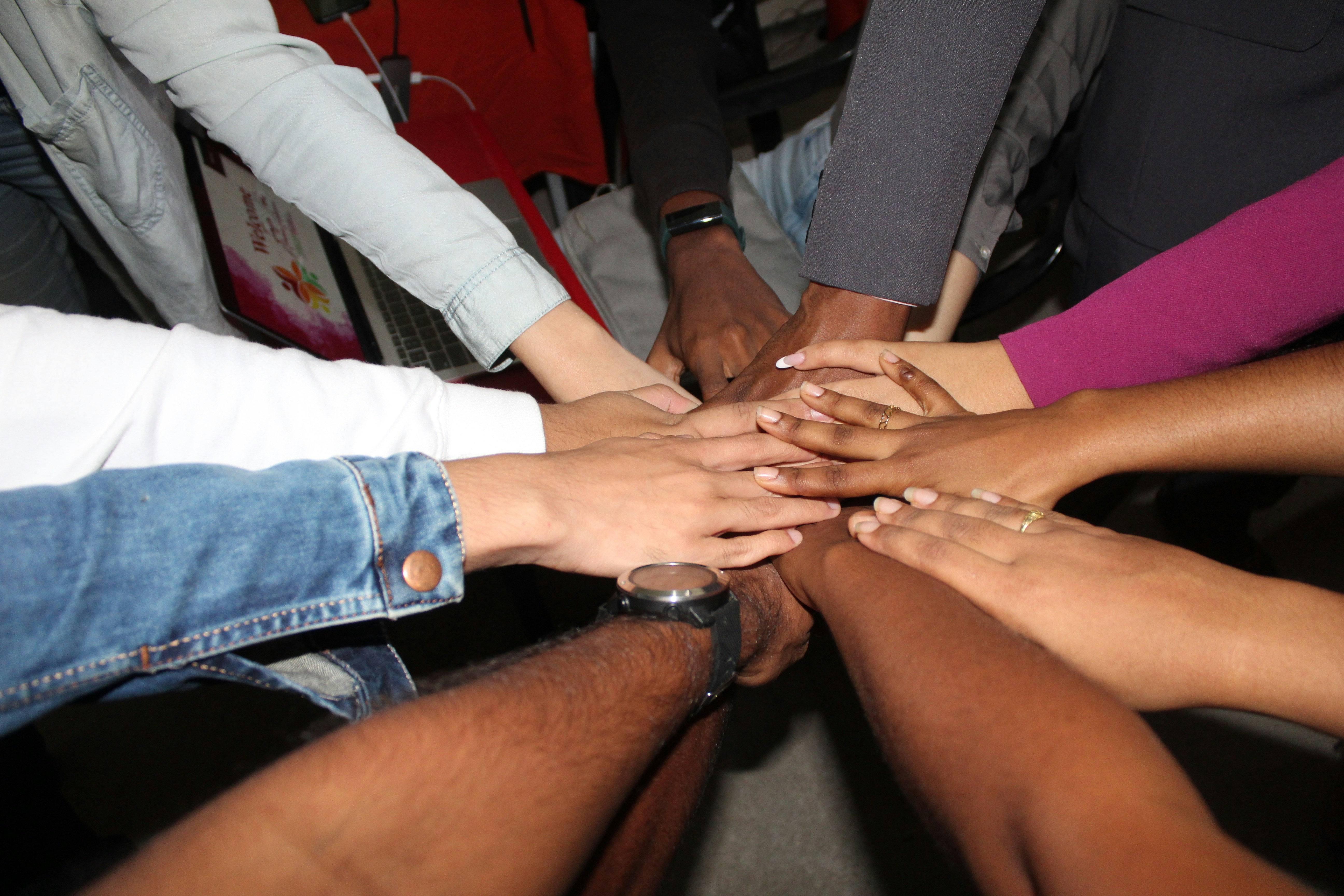
I have been thinking about what it really means to involve people with lived experience in research, and whether being invited to participate actually means that we are part of the decisions being made or whether we are simply there to make up the numbers.
Over the years, I have had opportunities to be involved in different spaces where people with lived experience are invited to share their perspectives. Sometimes this happens through advisory groups, focus groups or conversations with researchers. I value these opportunities because they give people like us a chance to bring experiences that researchers may not necessarily have.
But one thing I keep asking myself is what happens after we have shared our experiences. What happens after we have been heard? Does anything change? Do our contributions influence the decisions being made, or do they simply become part of a report?
My involvement with the Atlas of Longitudinal Datasets at King’s College London has also given me the opportunity to reflect on what lived-experience participation looks like in practice. I was invited to join an international group of eight Lived Experience Experts to guide the development of the platform. Our role included participating in quarterly meetings, testing the platform and contributing to communication activities. We were also expected to bring our perspectives to ensure that the platform would be accessible and useful to researchers, people with lived experience and advocates.
I valued this opportunity because it recognised that people with lived experience have expertise that can contribute to the development of research platforms. It also encouraged me to think more deeply about the different ways people can participate in research and what meaningful influence looks like in practice.
Much of the involvement was advisory and consultative. People were invited to give feedback, review research materials, test the Atlas website, contribute to dissemination and share their views on how research could become more relevant. These are valuable forms of involvement, and I believe they play an important role in making research more inclusive.
However, the experience also prompted me to reflect on the importance of creating opportunities for people with lived experience to contribute not only through consultation and advice but also to discussions and decisions that shape the direction of research projects.
It made me consider a broader question: how can research projects move beyond inviting people with lived experience to contribute towards ensuring that their perspectives have a meaningful place in decision-making and governance?
I think there is a significant difference between being invited to participate and having the opportunity to influence decisions.
Making contributions visible
For me, one question I would like researchers to ask is whether people with lived experience can actually see where their contributions have made a difference.
It doesn’t always have to be a major change. It could be a research question that was reconsidered, the way information is presented, the decision to prioritise one issue over another, or even a decision not to proceed with something because contributors raised concerns.
An example from research
I remember one example from the Atlas work involving Cloudy with a Chance of Pain. I explored lived experience involvement across longitudinal datasets in an earlier blog I wrote for the Atlas, where I discussed this study in more detail.
Patients and members of the public were involved at different stages of the study, including contributing to its development and the wording and presentation of questions in the app. Participants could also see patterns emerging from their contributions.
I found this interesting because it showed how involvement could connect people’s contributions to the research process.
Building trust through relationships
Another thing I have been thinking about is trust. I don’t think meaningful co-production is only about having a framework or organising meetings. Those things can help, but relationships are also important.
When people are invited to a meeting, they may share their views and leave. But when people are involved over time, there is an opportunity to build relationships and understand one another better. Researchers get to understand the perspectives of people with lived experience, and contributors also get to understand the research environment.
Making room for disagreement
I also think we need to make room for disagreement. Sometimes people with lived experience may question a decision or challenge an assumption that researchers have made. That should not automatically be seen as a problem. It can be an important part of the process.
If we are only inviting people to agree with what has already been decided, then I wonder how much influence they really have.
Key areas that need more attention
From my experience, there are a few things I think we should pay more attention to:
· Clarity from the beginning: People should understand why they are being invited to participate and what their contributions are expected to influence. It isimportant to be clear about this from the beginning.
· Closing the feedback loop: When someone gives their time and shares their experience,they should know what happened afterwards. Even when a suggestion cannot betaken forward, there should be an explanation.
· Moving beyond consultation: Asking people for their views is important, but there should also be opportunities for people with lived experience to contribute to decisions about the direction of research.
· Building relationships, not just organising activities: a meeting can create an opportunity for involvement, but trust develops over time.
Moving towards more meaningful co-production
I am still learning what meaningful co-production looks like. I don’t think there is one approach that will work for every project, and I also recognise that people may want different levels of involvement.
However, my experience with the Atlas of Longitudinal Datasets has made me think more carefully about the difference between being heard and having influence.
Perhaps we should not only ask whether people with lived experience are involved in research. We should also ask what influence they have, where that influence happens, whether that influence is significant, and whether they can see the difference their contributions have made.
My involvement with Atlas was a meaningful experience because it helped me appreciate the value of co-production and the opportunities it creates for people with lived experience to contribute to research. I also learned more about how valuable co-production can be.
I think this is an important conversation for researchers, organisations and people with lived experience to continue having.
Photo by Rineshkumar Ghirao on Unsplash
Meeting notes
Other news you might be interested in
From being heard to having influence: what does meaningful co-production look like?
In this blog, Kelvin reflects on his experience of being involved in the Atlas of Longitudinal Datasets at King's College London, exploring the difference between being invited to participate and having a more meaningful role in shaping research and decision-making.

November team update: learning and sharing together
The latest news from the team and our community plus updates about our ongoing projects and upcoming opportunities

An update on our Co-Pro Cuppa events
We've decided to extend the pause on our Co-Pro Cuppa events until April 2027 while we review the community-building events we offer and consider how they can best meet the needs of our community

October team update: growing connections and shaping change
The latest news from the team and our community plus updates about our ongoing projects and upcoming opportunities.

September team update: projects in progress
The latest news from the team and our community plus updates about our ongoing projects and upcoming opportunities.

Building ladders that meet: why co-production starts at the research tool
In this blog, Chaeyeon shares her insights and experience from projects she's been involved with to co-develop research tools.

"Talking about it is one thing; doing it is what matters" - reflecting on the death of Professor Arday
In this blog post, we will be discussing the recent death of Professor Jason Arday and our team’s personal responses. We invite you to practice self-care, and only read if you feel able to do so.

August Team update: looking back, moving fowards
The latest news from the team and our community plus updates about our ongoing projects and upcoming opportunities.

Sharing the findings from our strategy review and planning for the future
Find out more about our review to monitor our progress with our strategy, and our plans for next steps.

Solidarity and compassion in the face of racism
In this blog we reflect on the recent far-right, anti-immigration protests and consider how we can be actively anti-racist.