



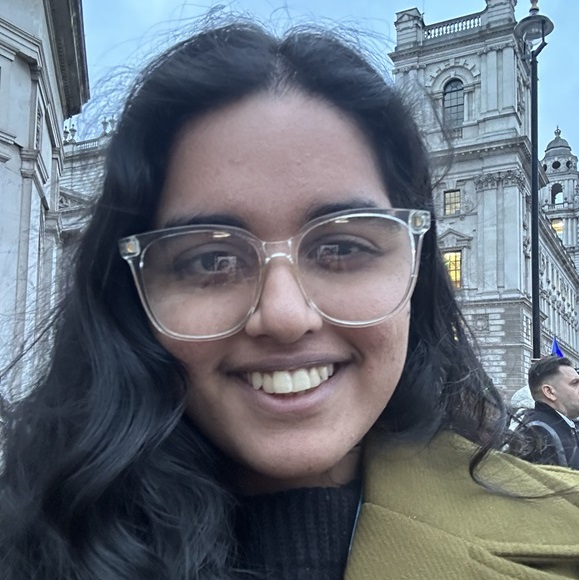
Sindhu Khanna is a PhD researcher at the Centre for Arts and Creative Culture, Coventry University. Her research explores inequalities in digital health for osteoarthritis care. In this blog, she shares insights from her research and reflects on why co-production is key for digital health to benefit everyone.
Digital health tools are now part of everyday healthcare. Exercise apps, online physiotherapy, and self-management programs are often help people with long-term conditions such as musculoskeletal disorders. These technologies are seen as convenient, flexible, and scalable as they can provide support to large numbers of people easily and at a lower cost. They can also help people take more control over their own care. However, digital health does not help everyone equally. Health inequalities are unfair differences in health and access to healthcare. Factors such as income, ethnicity, language, gender, education, and where people live can affect these inequalities. Although digital health aims to improve access to care, it can also create new barriers for underserved communities such as older adults, people with low income, people living in rural areas or ethnic minority groups who may have limited access to technology, internet, or digital skills.
One main reason for this gap is how digital tools are designed and used. Many platforms are created without input from the communities they are meant to support. As a result, the tools may feel irrelevant or difficult to use with complex language and exercises not fitting into people’s daily routines or busy lives. Health advice may also ignore cultural beliefs about pain, ageing, and seeking help. In addition, digital platforms can feel unfamiliar or confusing for people with limited experience using technology. These challenges lead to less engagement, meaning fewer people use the digital tool regularly or continue using it over time. Therefore, tools that appear effective in research studies may not be widely used in real life.
My PhD research is an ongoing project exploring how women from ethnic minority backgrounds use digital assistive tools for knee osteoarthritis (OA). Knee OA is a long-term condition affecting the knee joint. It can cause severe pain, stiffness, and trouble moving. Many people find it hard to walk, climb stairs, or stand for long periods. There’s no cure, but symptoms can be managed with exercise, weight control, pain relief, and education. Living with OA often means facing symptoms daily for years. Because of this, more people are using digital tools such as exercise apps, online physiotherapy programs, pain management platforms, and educational websites for self-management.
When “one-size-fits-all” doesn’t fit anyone
For some, digital health tools can be empowering. They offer reminders, guidance, and flexible access. But engagement varies across different groups. Women from ethnic minority backgrounds may face barriers, such as:
• Information that is not clear or not available in their preferred language
• Differing cultural beliefs about pain, ageing, and asking for help
• Limited access to devices and mobile data
• Low confidence in using digital technology
• Experiences of healthcare systems that do not feel welcoming or inclusive
If we ignore these issues in the design process, digital health could widen the gap. Those who can benefit easily will thrive, while the underserved may fall further behind.
From designing for people to designing with them
Co-production offers a way to address these gaps in digital health research and development. It shifts the power balance by bringing together researchers, healthcare professionals, and people with lived experience as equal partners. This approach values lived experience alongside clinical and academic knowledge.
The first phase of the research has already been completed and involved interviews with healthcare professionals and clinicians who support people living with knee OA. These interviews explored:
• What and how digital tools are used in OA care
• What works well
• Where patients struggle or disengage
• Their experiences with women from ethnic minority backgrounds
Healthcare professionals described several barriers affecting digital engagement. These included language differences, low confidence using technology, limited access to devices or internet services, and lack of time during appointments to explain digital platforms properly. Many also reflected on how existing digital tools often fail to consider the cultural and social realities of the communities they are intended to support.
Several professionals noted that digital platforms are frequently designed using a “one-size-fits-all” approach. As a result, some patients may try the tools initially but stop using them because the content feels unfamiliar, difficult to relate to, or impractical within everyday life. This can lead to lower engagement and reinforce assumptions that some communities are “hard to reach,” when in reality the support itself may not meet their needs.
Hearing professional voices and knowing that’s not enough
Although healthcare professionals provide important perspectives, their views alone cannot fully explain why some people engage with digital health tools and others do not. The next phase of this ongoing research will involve focus groups with South Asian women living with knee osteoarthritis.
Rather than asking women to simply comment on existing digital tools, the aim is to involve them in shaping ideas for future support. The focus groups will create space for women to share their experiences, priorities, and suggestions for what accessible and meaningful digital care could look like.
The focus groups will explore:
• Daily life with osteoarthritis
• Experiences with healthcare services
• Use of digital tools and reasons for their choices
• Types of support that would feel genuinely useful and culturally relevant
This stage places lived experience at the centre of the research process, ensuring that future recommendations are grounded in the realities of the people most affected.
Building consensus through co-production
The focus groups will help us understand the experiences of South Asian women living with knee osteoarthritis and learn more about what helps or prevents them from using digital health tools. These conversations are important because they give women the opportunity to share their stories, challenges, and ideas for improvement.
The final stage of the research is where co-production really comes into practice. This will involve a Delphi study, which is a way of bringing different groups of people together to agree on what matters most. The Delphi study will include both healthcare professionals and women living with knee osteoarthritis. Using the findings from the interviews and focus groups, participants will be asked to review and prioritise the most important barriers, support needs, and ideas for improving digital care. This happens over several rounds, allowing participants to reflect on the views of others and work towards shared agreement.
Importantly, the Delphi study extends co-production beyond participation and consultation. Rather than researchers alone deciding which findings matter most, participants themselves will help shape the final recommendations. This ensures that the outcomes reflect both professional expertise and community knowledge.
Why co-production is key to tackling inequalities
Health inequalities continue not because people avoid care, but due to systems lacking insight into diverse experiences. When digital health tools are co-produced, they align better with daily practices, respect cultural contexts, and identify barriers. Co-production also builds trust between communities and healthcare institutions, especially for groups that have felt marginalised.
For women from ethnic minority backgrounds, taking part in decision-making is empowering. It sends a clear message that their experiences are vital in shaping future care. Thus, co-production is not just a method; it’s a pledge to equity.
Digital health has great potential for managing long-term conditions. However, its benefits will be uneven unless inclusion is part of the design and implementation. Creating care that truly listens means moving beyond one-size-fits-all solutions. It requires embracing collaborative approaches that put lived experience at the core of innovation.
Image credit: Alexander Sinn on Unsplash
This blog was updated on 17 June 2026 to include more detail about Sindhu's research.
Meeting notes
Other news you might be interested in

Joining a project as a Lived Experience Researcher
Jackie reflects on her journey becoming part of a rapid response research project exploring mental health during COVID-19, and the lessons learned along the way.

Two years of being Clinically Extremely Vulnerable, a name I never knew I would have
A co-producer shares their experience of being Clinically Extremely Vulnerable – and the lack of support this community is receiving.

Digital inclusion in a pandemic: Community organising with Citizens UK
Jordan reflects on his experiences during lockdown as a member of Hackney & Islington Citizens and the work they did to tackle the local digital divide.

Valuing Lived Experience: Learning with National Voices
Lizzie reflects on her role as a Learning Partner supporting National Voices to develop their Voices for Improvement project.

Listening to lived experience
A personal account from Pat on how to work co-productively, the power of lasting partnerships, and her experience taking part in Co-production Week Scotland 2021.

My co-production year: personal and reflective accounts
What can we learn from twelve months of co-production? Lynn and Al reflect on a year of which brought new challenges, but also real achievement through working with others.

Sport and co-production: Just do it!
Based on her experience working with Disability Rights UK, Lydia explains why co-production is the key to helping people get active in their local area in a way that is right for them.

Co-producing reading research with young people
A reflection on co-produced research with young people by PhD student Charlotte Webber as she begins a project seeking to tackle the drop-off in young people’s reading motivation.

Co-production at the heart: the Parents 1st Community Peer Support Model
Parents 1st is a UK charity using collective experience to enable parents to recognise and build on self-identified strengths. In this blog, Celia and Nicole share learning, resources, and guides for setting up your own peer support programme.

Going DEEP – progress towards using evidence in practice through co-production
Nick is a a registered Social Worker who co-ordinates the Developing Evidence Enriched Practice (DEEP) programme at Swansea University. Here he shares how a co-productive approach translated research evidence into policy and practice.